
3 Units of Flatbed Semi-Trailers will be shipped to Mali
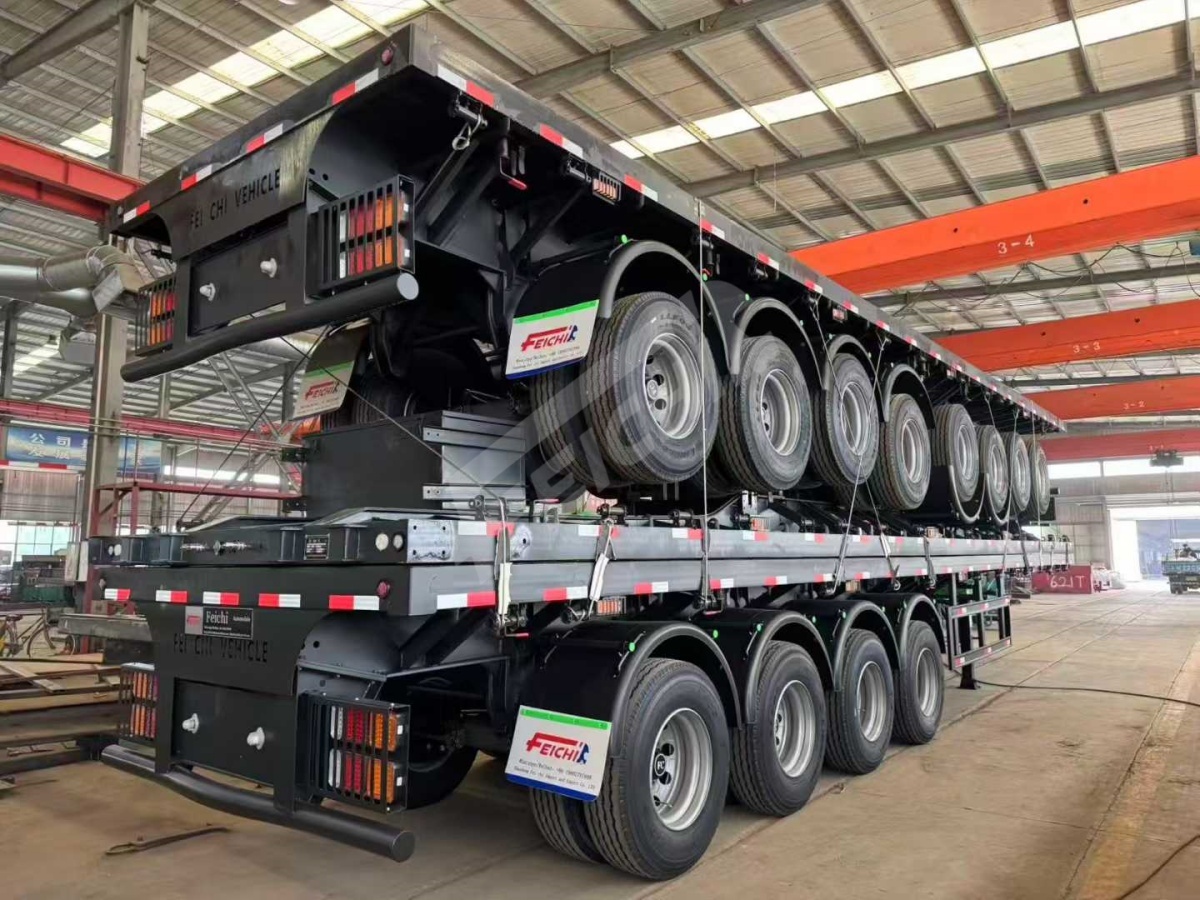
Recently, we welcomed a client from Mali to visit our factory. He runs a transportation company in his hometown, primarily hauling steel, cement, and heavy equipment. His old trailer was in terrible condition—the floor panels were warped—so he was looking for a sturdy, durable product. Although he had previously viewed our products online, he felt that for such a high-value purchase, the safest approach was to visit the factory in person. So, he flew in specifically to inspect our factory.
We gave him a comprehensive tour—from steel cutting and main beam welding to painting and load testing. He asked many questions: what type of steel is used for the main beams, what is the spacing between the crossbeams, and how thick is the cargo bed floor. On the test track, he inspected the welds and suspension system, and left looking quite satisfied. He said this flatbed semi-trailer felt sturdy enough to carry heavy loads.
His needs were simple: haul building materials from Mali to neighboring countries. The roads are rough, and overloading is common. Regular trailers get cracked main beams after just two years. We recommended our flatbed semi-trailers, and he signed the contract right there. All three flatbed semi-trailers have now been manufactured and shipped to West Africa.
The main beam of these flatbed semi-trailers is made of high-strength manganese steel, formed in one piece. It handles 30% more load than regular steel. The deck is made of checkered steel plate, 3mm thick – non-slip and wear-resistant. The trailer is 13 meters long and 2.5 meters wide, giving plenty of space for steel, pipes, or machinery. The suspension uses heavy-duty leaf springs, with dual axles and 12 steel-belted tires – good for rough roads. The brake system uses imported valves and auto slack adjusters, giving solid stopping power even on long downhill slopes.
These flatbed semi-trailers offer many advantages.First, it is built to last. The main beam is sandblasted and coated with two layers of paint to prevent rust. In Africa’s hot and dusty conditions, it can easily last 7–8 years. Second, loading and unloading are extremely convenient. The flatbed semi-trailer has no side rails—simply use a forklift or crane. This saves time and effort. Third, we have added reinforcing ribs at the joints between the main beams and crossbeams. Even with occasional overloading, the frame will not bend or crack. Fourth, the body is lightweight—about half a ton lighter than comparable models. This means a higher payload capacity per trip and lower fuel consumption. In terms of safety, the trailer is equipped with an ABS anti-lock braking system, a splash guard, and LED taillights to improve nighttime visibility.
When we sent pre-shipment photos to our client in Mali, he was very satisfied. He indicated that if these three flatbed semi-trailers perform well, he will place an order for five more later this year. We look forward to seeing these flatbed semi-trailers hitting the roads of Africa as soon as possible, helping him transport more cargo and generate greater profits.
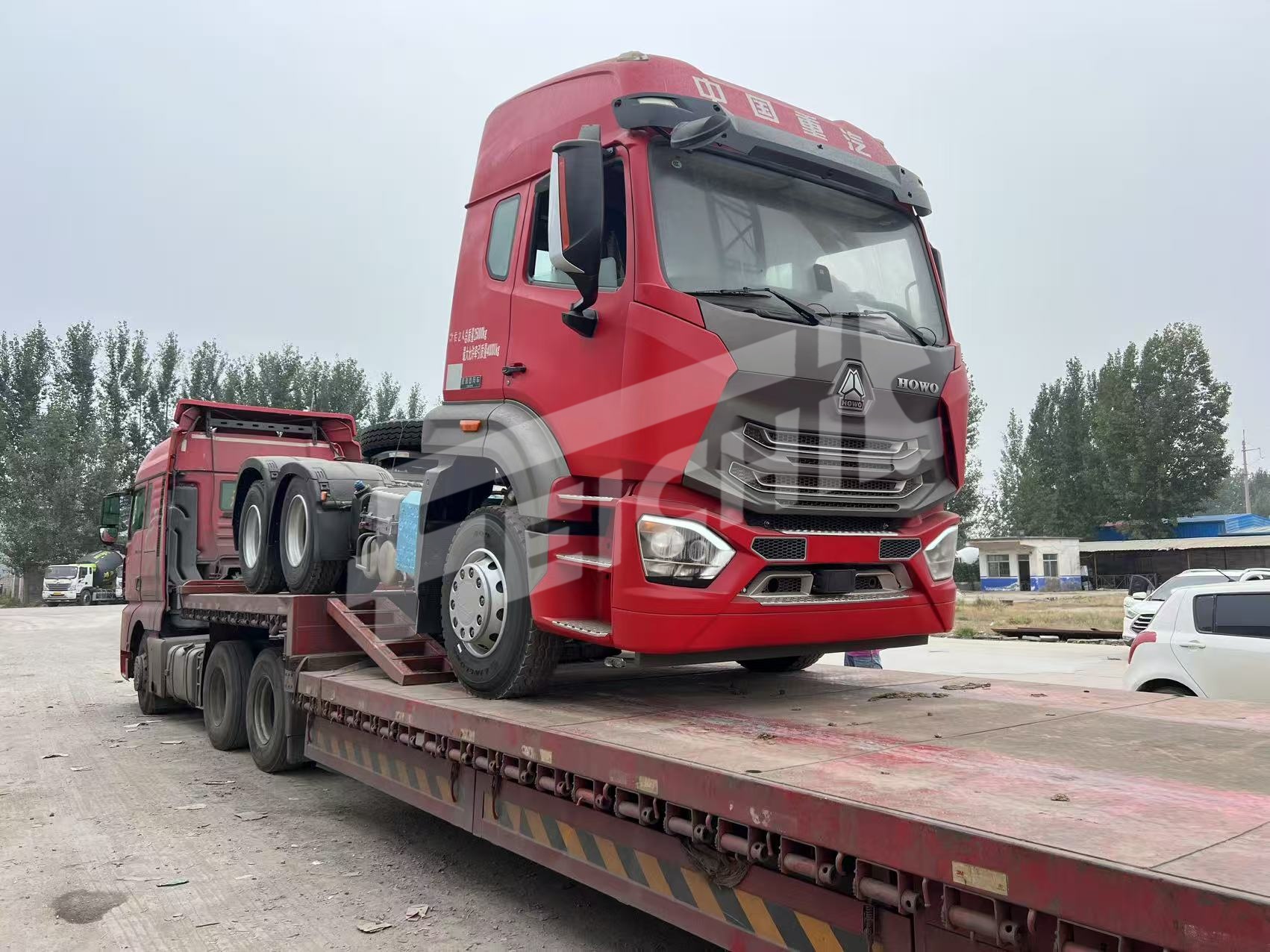 SINOTRUK HOHAN NX Tractor Unit
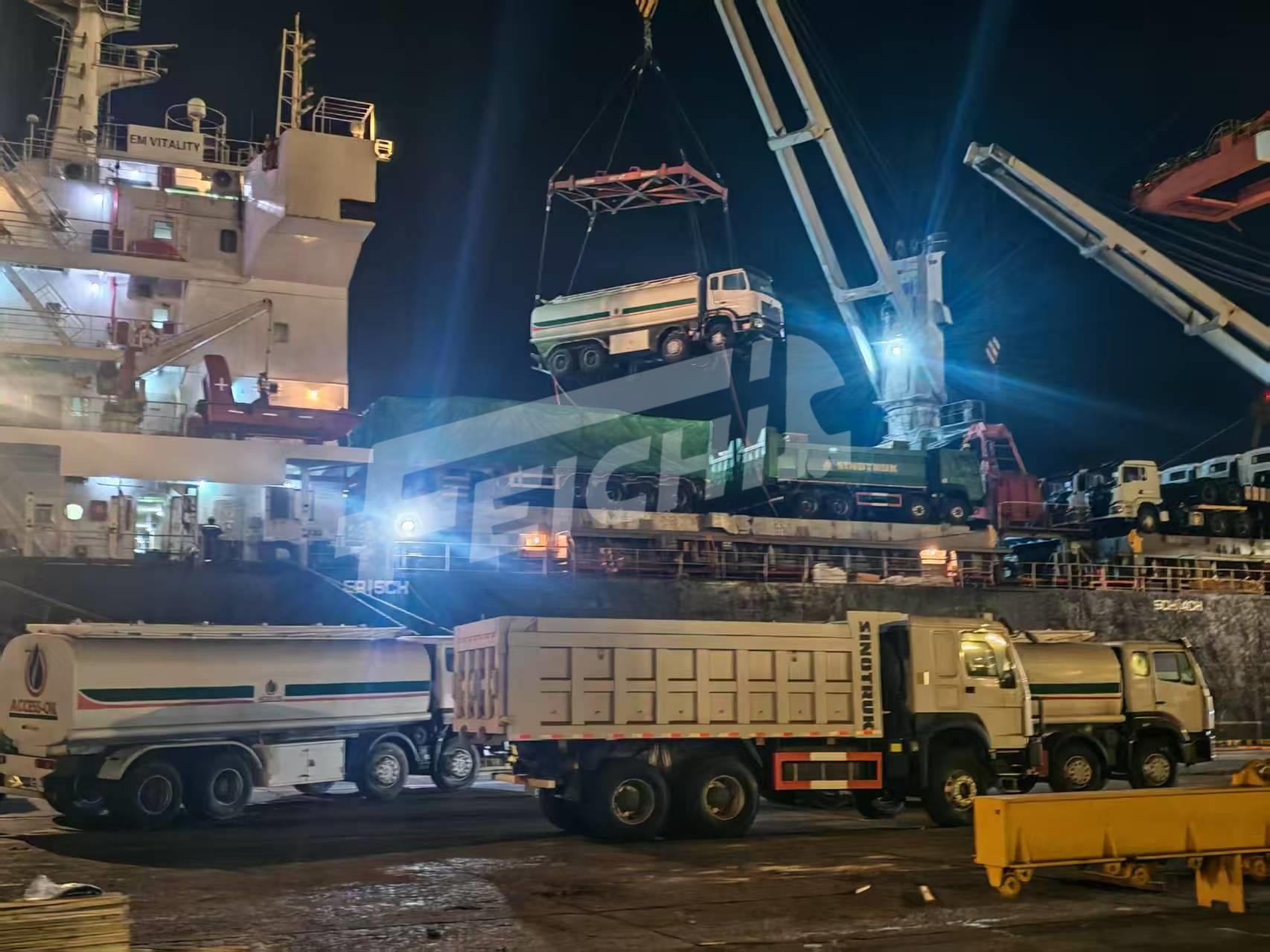 Fuel Tank Trucks Loaded for Bu
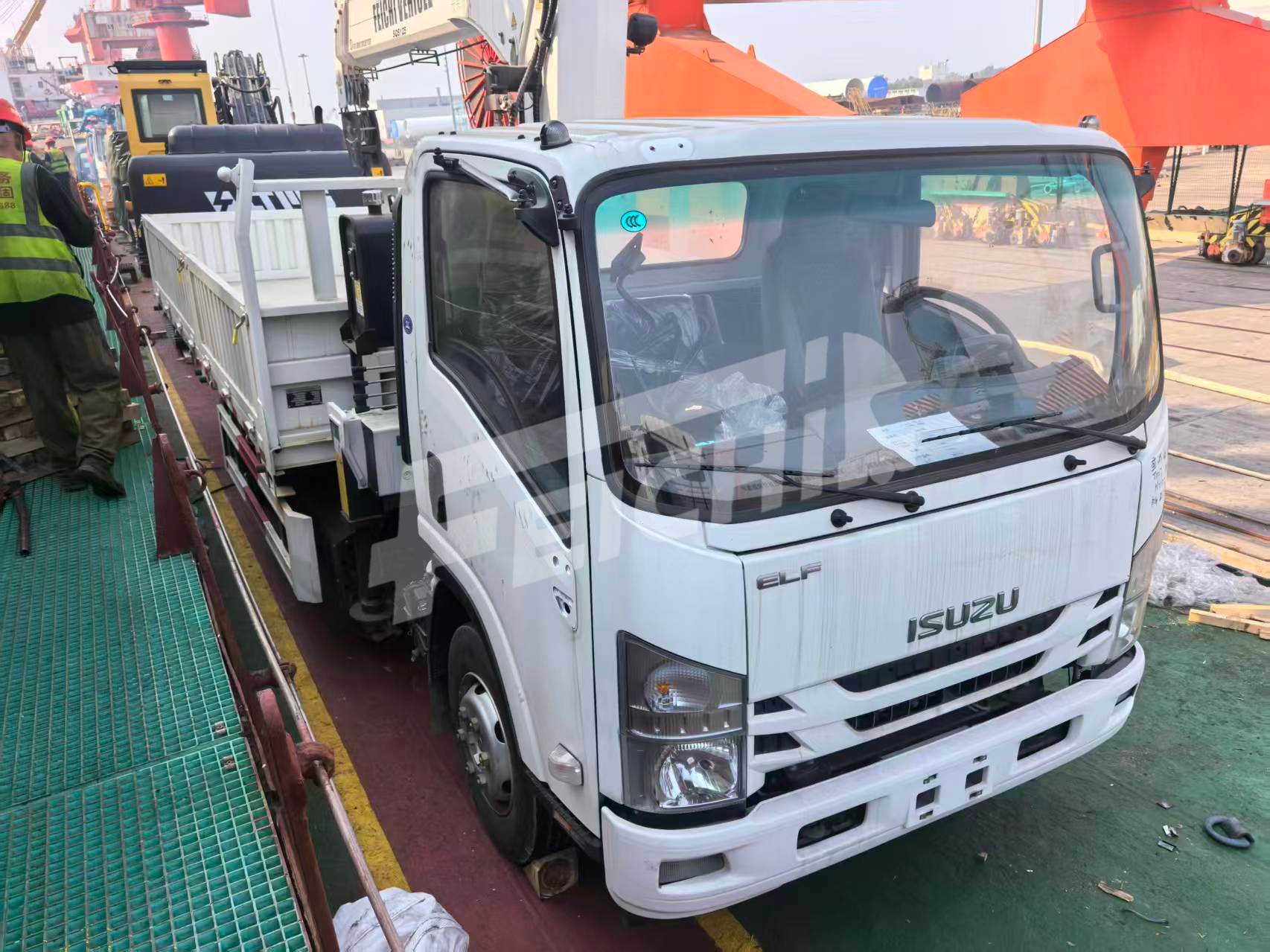 Isuzu Truck‑mounted Cranes Shi
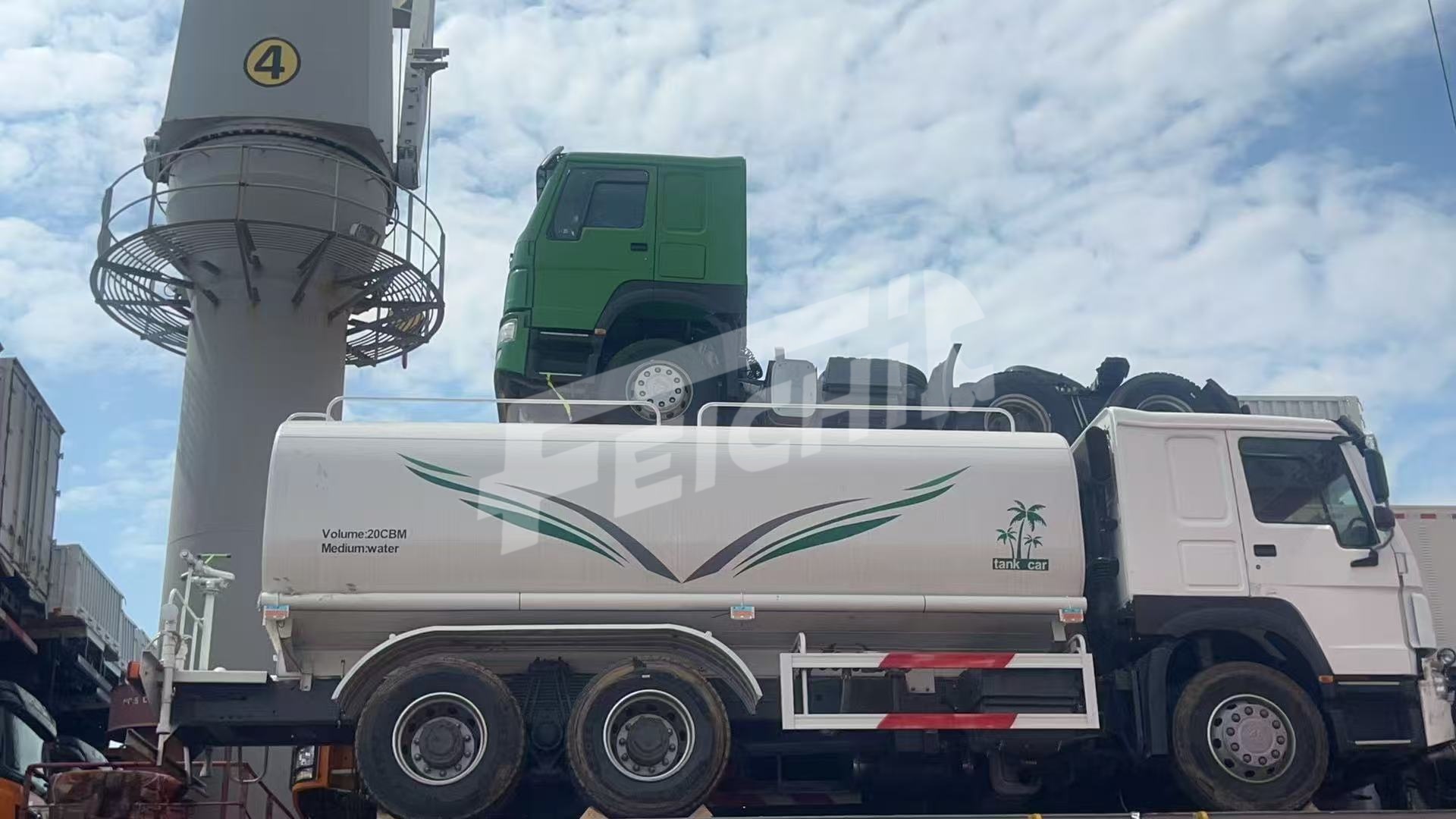 HOWO 20CBM Sprinkler Truck Shi